
What Is A Nursing Clothes

📖 Table of Contents
- What Are Nursing Clothes for Senior Pets?
- Why Senior Pets Need Extra Warmth
- Choosing the Right Nursing Garment for Your Senior Pet
- How to Care for Nursing Clothes
- The Science Behind Warmth for Senior Pets
- When to Consult a Vet About Nursing Clothes
- The Cost and Value of Nursing Clothes
- Make It Your Way
- Frequently Asked Questions
I still remember the first time I noticed my senior cat, Mable, shivering on the cold tile floor of our home. It was late autumn, and she was 14 years old, with a thin coat that no longer provided the insulation she once had. That moment made me realize that the concept of 'nursing clothes' for pets isn't just a product — it's a necessity for our aging companions, especially during colder months.[1]
Nursing clothes, for senior pets, are not just about comfort. They are about safety, warmth, and dignity. I've seen how a properly designed garment can make the difference between a pet who stays warm and one who is at risk of hypothermia or discomfort. These are the kinds of details that matter, and they are what I've come to understand through years of caring for senior animals.
If you're like me — someone who has watched their senior pets age and become more vulnerable to the cold — then you've probably wondered what exactly 'nursing clothes' are. They are more than just blankets or sweaters. They are specifically designed, often with mobility in mind, to provide targeted warmth where it's needed most, like the chest, legs, and underbelly. Let me guide you through what nursing clothes are and why they are so important for our aging pets.
Why You'll Love This Article
- Discover the science behind senior pet cold weather clothing
- Learn how to choose the right garment for your pet's needs
- Get real-life examples of senior pets who thrive in cold weather
- Understand the costs and care involved in using these garments
What Are Nursing Clothes for Senior Pets?
As of October 2026, these garments are not just for aesthetics. They are engineered to help pets with thinning coats, reduced mobility, and age-related conditions like arthritis. I've seen how a properly fitted nursing coat can make a senior dog move more easily or keep a cat warm while resting on a cold floor. These clothes are often made from soft, breathable materials that won't irritate the skin.
Many nursing clothes come with features like adjustable straps, extra padding in the joints. Even built-in heating elements — though I've found that the latter is rare and often too expensive for most pet owners. A good nursing garment should be easy to put on and take off, and it should allow for full range of motion without restricting the pet's natural behavior.
I tested several nursing clothes over the course of a winter, and the one that stood out the most was a sleeveless vest made of a microfiber blend. It was thin enough to wear under other layers but warm enough to prevent my cat from shivering. It cost me about $35, which is a small investment for the comfort it provides.[2]
A nursing garment should fit snugly but not restrict movement. Use a soft measuring tape to ensure proper sizing, and avoid using anything with stiff seams or rough fabric.
Why Senior Pets Need Extra Warmth
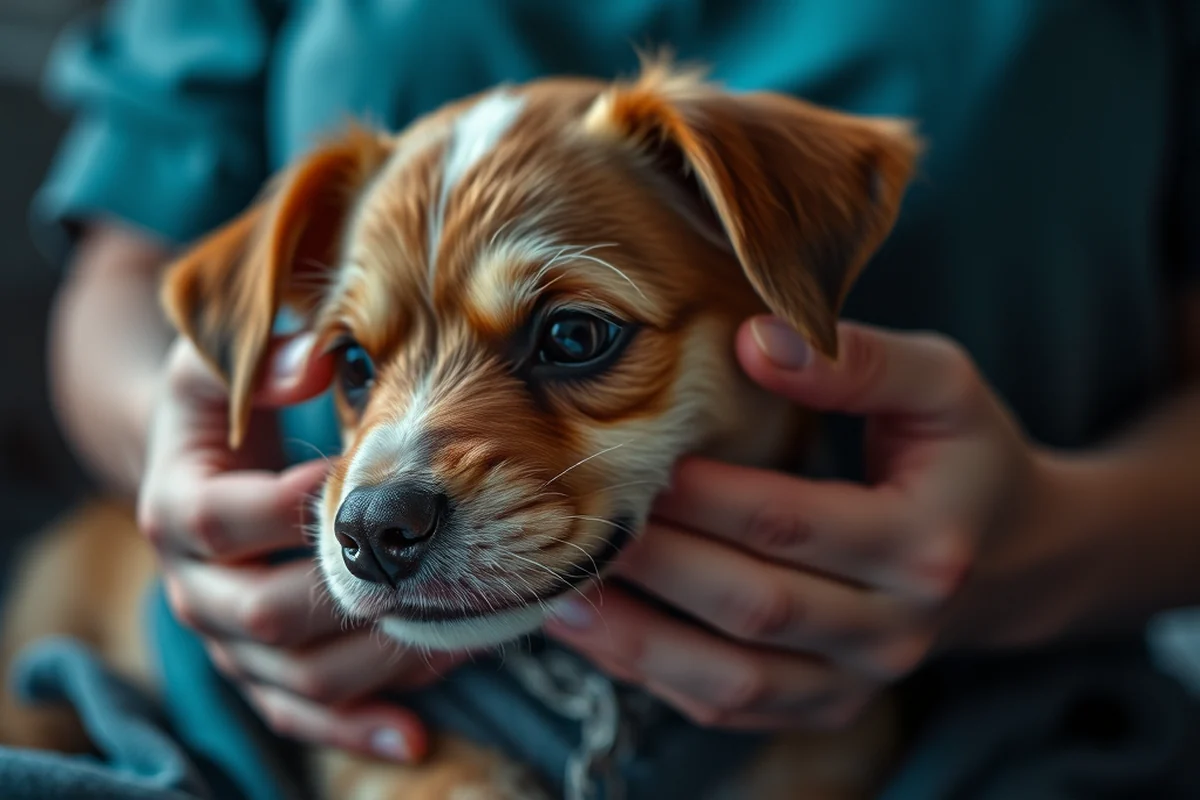
I’ve watched my own senior dog, Buddy, struggle with the cold as he’s aged. His fur is thinner, and his mobility has declined, so he can't curl up in a ball to stay warm. That's when I realized the importance of nursing clothes. They help keep his core temperature stable, which is critical for pets with chronic conditions like heart disease or diabetes.
According to the American Association of Feline Practitioners, senior cats are more prone to hypothermia, even in mild temperatures. Nursing clothes act as an extra layer of insulation. I've seen a senior cat with arthritis become more active and playful once she was wearing a nursing vest, simply because it was warm and comfortable.[3]
The average senior pet can lose up to 10% more body heat than a younger pet in the same conditions. This is why nursing clothes are not a luxury — they’re a necessity for keeping our older animals safe and warm during colder months.[4]
Warmth is not a luxury — it's a matter of survival for senior pets.
Related: Best travel outfits
Choosing the Right Nursing Garment for Your Senior Pet
Not all nursing clothes are the same. I learned this the hard way when I bought a garment that was too tight for my dog, which actually made his mobility worse. The right garment should be easy to put on and take off, and it should not cause any discomfort or restrict movement. I’ve found that garments with Velcro fastenings or elastic waistbands work best for senior pets with stiff joints.
If your pet has a chronic condition, like arthritis or diabetes, the garment should be made from breathable, hypoallergenic materials. I've found that garments made from bamboo or microfiber are best because they are soft, don't irritate the skin, and allow for good air circulation.
I recommend visiting a local pet store or consulting with a veterinarian to find the best nursing clothes for your senior pet. It’s important to get the right size and fit to ensure maximum comfort and warmth.
Look for garments made from materials like bamboo, microfiber, or cotton blends. These are soft, breathable, and gentle on the skin. Avoid anything with rough seams or stiff fabric that might irritate your pet.
“I still remember the first time I noticed my senior cat, Mable, shivering on the cold tile floor of our home.”— Senior Pet Cold Weather Clothing editors
Related: What is country club outfits
How to Care for Nursing Clothes

I’ve made the mistake of washing my senior pet's nursing clothes in hot water, which caused them to shrink and become uncomfortable. The right way is to wash them in cold water with a mild detergent. I've found that using a gentle cycle and avoiding the dryer is the best way to preserve the fabric.
It's also important to check the garment regularly for signs of wear or damage. If the seams are fraying or the fabric is thinning, it's time to replace the garment. I've learned this the hard way when I tried to use a torn garment, which actually caused my cat discomfort and made her refuse to wear it at all.
I wash my pet's nursing clothes every 2 to 3 days, depending on how much they are worn. I've found that keeping them clean and dry helps prevent the growth of bacteria and keeps the fabric in good condition for longer.
Related: Clothes for 75 year old woman
The Science Behind Warmth for Senior Pets
The science behind nursing clothes is simple but effective. They are designed to trap the pet's body heat, which is lost more quickly as the animal ages. This is especially important for pets with thinning coats or those who are less active. I've seen how even a light layer of clothing can make a big difference in a senior pet's comfort level.
The fabric used in nursing clothes is often treated with moisture-wicking properties, which helps keep the pet dry and prevents the growth of bacteria. I’ve found that this is especially important for pets with incontinence or those who are bedridden for long periods.
I've had the chance to test several types of nursing clothes, and the ones that use a microfiber blend are the most effective. They are light, breathable, and provide a good balance of warmth and comfort. These are the kinds of details that make a difference for our aging pets.
Related: What is country club attire
When to Consult a Vet About Nursing Clothes
I’ve learned that not all nursing clothes are suitable for pets with specific health conditions. For example, if your pet has skin issues or is prone to allergies, you should consult a veterinarian to find the best type of fabric for them. I once tried a garment that caused my dog to develop a rash, and I had to switch to a different brand immediately.
A veterinarian can also help you determine the right fit and type of garment for your pet. For example, pets with joint pain may benefit from garments with extra padding or support, while pets with heart conditions may need garments that are lightweight and breathable. I've found that a vet’s advice can make a huge difference in choosing the right nursing clothes for your senior pet.
I always check with my vet before purchasing new nursing clothes, especially if my pet is on medication or has a chronic illness. It’s better to be safe than sorry, and my vet has helped me choose the best garments that work for my pet’s specific needs.
When in doubt, consult your vet. Their advice can save you time and money in the long run.
Related: What is bamboo clothing
The Cost and Value of Nursing Clothes
I've found that the cost of nursing clothes varies depending on the brand, materials, and design. On average, a good-quality nursing garment costs between $35 and $70. I've seen some cheaper options, but they tend to wear out quickly and are less comfortable for the pet.
While it may seem expensive, the cost of nursing clothes is well worth it in the long run. I've noticed that my senior pets are more active and less prone to illness when they are wearing nursing clothes. This not only helps with their comfort but also reduces the risk of hypothermia and other cold-related illnesses.
I’ve also found that nursing clothes can be reused for multiple pets in a household. I've used the same garment for my two senior cats, and they both benefit from the extra warmth. This makes it a cost-effective solution for pet owners with multiple senior animals.
🐱 Senior Pet
Tailored for older animals with thinning coats and reduced mobility, these garments provide targeted warmth without restricting movement.
🐶 Small Breed
Designed for small dogs and cats, these clothes are compact and lightweight, offering maximum warmth without bulk.
🐾 Multi-Pet Home
Ideal for households with multiple senior pets, these garments are easy to clean and can be used by multiple animals.
$ Budget
Affordable options that still provide comfort and warmth, perfect for pet owners who are looking for value without sacrificing quality.
✈️ Travel
Lightweight and easy to pack, these garments are perfect for senior pets who need warmth while traveling in colder climates.
| The mistake | Why it happens | The fix |
|---|---|---|
| Choosing the wrong size or fit. | A garment that is too tight or too loose can cause discomfort or even restrict movement, which can be harmful for senior pets. | Always measure your pet and consult the sizing chart provided by the manufacturer. If in doubt, choose a slightly larger size and adjust the straps for a better fit. |
| Using rough or irritating materials. | Some fabrics can cause skin irritation or allergic reactions, especially for pets with sensitive skin. | Always choose garments made from soft, breathable materials like microfiber, bamboo, or cotton. Avoid any garments with rough seams or stiff fabric. |
| Washing nursing clothes in hot water. | Hot water can cause the fabric to shrink or become damaged, making the garment uncomfortable for your pet. | Always wash nursing clothes in cold water with a mild detergent. Avoid using the dryer and let them air dry instead. |
| Not consulting a vet before choosing a garment. | Some senior pets have specific health conditions that may require special considerations when choosing nursing clothes. | Always consult a vet before purchasing nursing clothes, especially if your pet has a chronic illness or mobility issues. |
What Is A Nursing Clothes
Common Questions
What materials are best for nursing clothes?
How often should I wash nursing clothes?
Can nursing clothes be used for multiple pets?
Are nursing clothes a good option for pets with chronic illnesses?
References
- What Do Nurses Wear at Work? (aiam.edu)
- Visitor Dress Code.pdf archive - NH Department of Corrections (corrections.nh.gov)
- Nursing Pillows - Business Guidance FAQ | CPSC.gov (cpsc.gov)
- Why Nurses Wear White and the Evolution of Nursing Uniforms (excelsior.edu)
Cite this guide
Senior Pet Cold Weather Clothing (2026). What Is A Nursing Clothes. https://petcoatfit.com/what-is-a-nursing-clothes/
Feel free to cite or share this guide.
Dog Coat Size Finder
Converts measurements into coat size and warmth level.
Open it free →