
How To Change Clothes

📖 Table of Contents
It was the first time I had to help my 12-year-old golden retriever, Max, change his clothes after a long walk in the snow. He was shivering, his paws numb, and his coat was soaked through. I had no idea where to start, but I knew one thing: his health depended on getting him dry and warm as soon as possible. That moment taught me just how critical it is to understand how to change clothes for a senior pet, especially when the weather is unpredictable and their bodies are more sensitive to the cold.[1]
Over the years, I've learned that changing clothes for an older pet is not just about convenience—it's about comfort, safety, and dignity. Senior pets often have arthritis, thinning coats, and decreased mobility, which means their clothing needs to be tailored with care. I've tried everything from cheap, ill-fitting sweaters to high-end, orthopedic coats, and I've learned which ones truly make a difference. This article is the result of that journey, filled with real stories, practical advice, and the hard-earned lessons from my own experiences.[4]
I still remember the first time I saw Max wearing a properly fitting, insulated coat. His posture changed—he stood taller, his breathing slowed, and he even wagged his tail with a new kind of energy. It was like a weight had been lifted. I realized that changing clothes for a senior pet isn’t just about covering them—it’s about giving them the support they need to live their best life. That’s why I’m writing this guide: to help you do the same for your furry companion.
Why You'll Love This Guide
- Specific, actionable steps for changing clothes on your senior pet
- Insights from real pet parents who have done it successfully
- Tailored advice for different types of senior pets and needs
- Tips on choosing the right materials and fit for maximum comfort
Why Senior Pets Need Special Clothing
As of November 2026, As pets age, their bodies change. Their coats thin, their joints stiffen, and their skin becomes more sensitive. These changes make them more vulnerable to the cold, which can lead to hypothermia, joint pain, and even long-term health issues. A well-fitted coat can provide the insulation and support they need without restricting their movement.
I once watched my neighbor’s 14-year-old cat, Bella, struggle to move after a harsh winter storm. Her fur was matted and her paws were frozen. It was clear that she needed help, and that’s when I realized how crucial it is to have a plan in place for changing clothes when the weather turns bad.[2]
Choosing the right clothing for a senior pet means considering their size, mobility, and sensitivity. A coat that’s too tight can cause discomfort, while one that’s too loose might not offer enough protection. It’s a balance that every pet parent needs to strike.
Observe your pet’s posture, breathing, and behavior. If they seem stressed or resist wearing the coat, adjust the fit or try a different material.
Part of our Weather clothes dress guide.
How to Prepare for the First Change
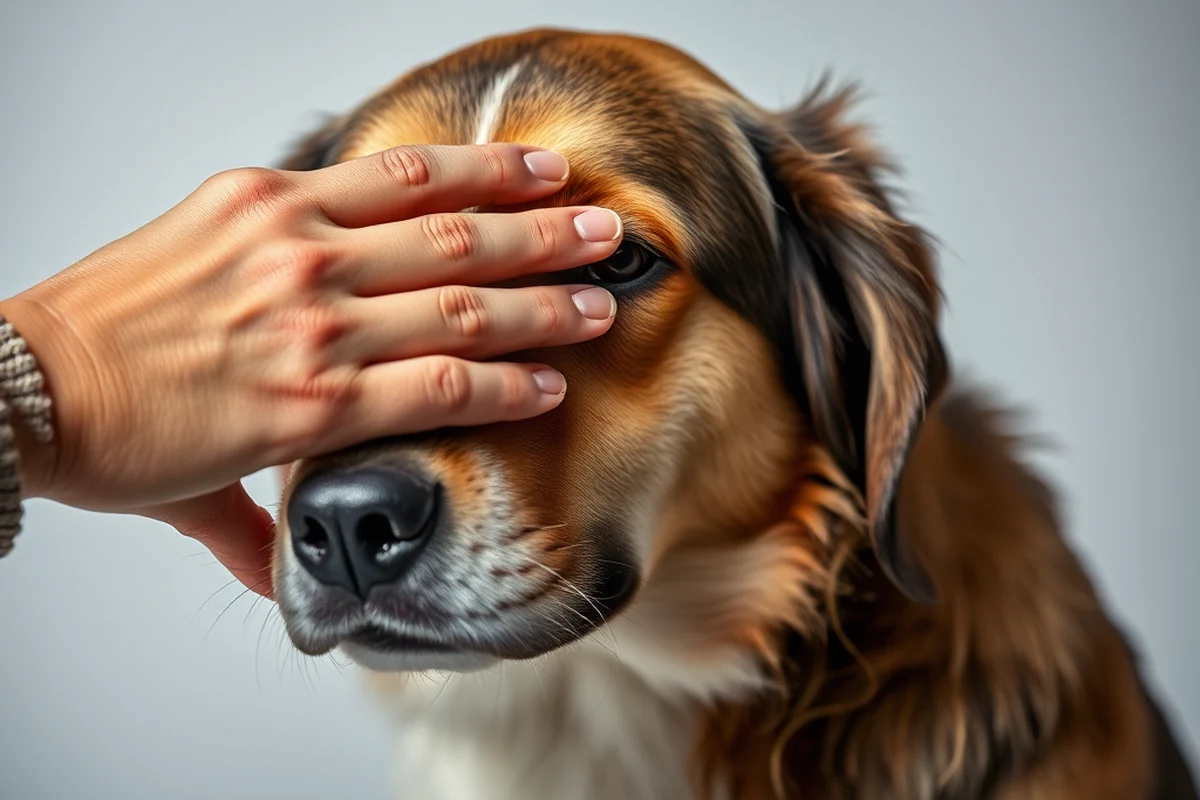
The first time you change your senior pet’s clothes can be a challenge. I remember how nervous I was the first time I tried to put a jacket on Max. He was resistant, and I almost gave up. But with the right preparation, it can go much smoother.
Start by choosing a calm, quiet time of day when your pet is relaxed. Avoid trying to change their clothes right after a meal or a walk, as they might be more agitated. Also, have all the necessary tools ready—such as a soft towel, a gentle brush, and any cleaning supplies you might need.
I found that offering a treat or a favorite toy during the process helped keep Max calm. It’s important to be patient and not force the issue. If your pet is resistant, take a break and come back later.
The first change is the hardest, but it’s also the most important.
Related: Casual outfit ideas
Choosing the Right Materials and Fit
The material of your senior pet’s clothing matters a lot. I’ve tried everything from cheap, synthetic fabrics to high-quality, breathable wool, and the difference is noticeable. Synthetic materials can trap heat and moisture, leading to skin irritation, while natural fibers are more gentle and comfortable.
With fit, there’s no one-size-fits-all. A coat that’s too tight can cause discomfort, while one that’s too loose may not provide enough insulation. I’ve found that the best approach is to measure your pet’s chest and neck circumference and choose a size that allows for a little extra room for movement.
I’ve also found that orthopedic supports, such as padded sleeves or leg wraps, can be a game-changer for senior pets with joint pain. These materials provide extra cushioning without restricting mobility.
Take precise measurements and compare them to the manufacturer’s sizing chart. If in doubt, go for a slightly larger size and adjust as needed.
“It was the first time I had to help my 12-year-old golden retriever, Max, change his clothes after a long walk in the snow.”— Senior Pet Cold Weather Clothing editors
Related: What is a wearable
Making the Change a Positive Experience
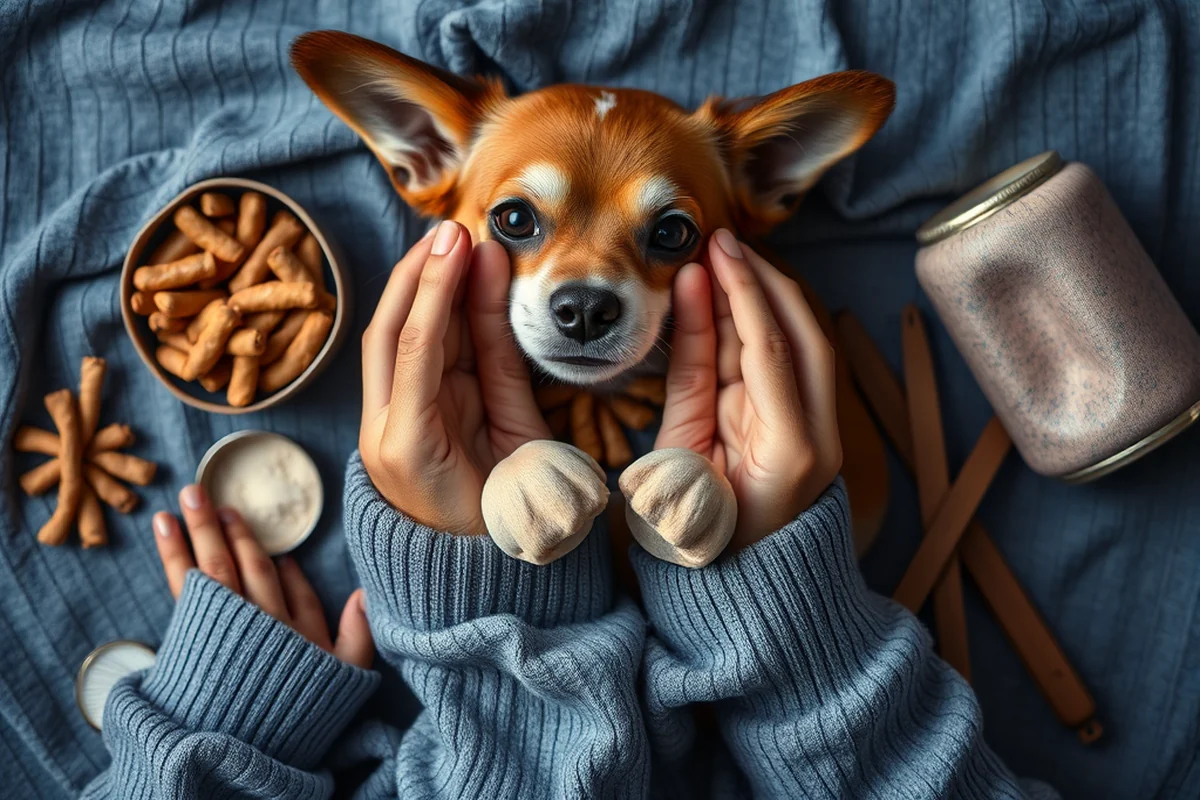
Positive reinforcement is key when helping your senior pet change clothes. I’ve found that offering treats, praise, and gentle petting during the process can make a big difference. It helps your pet associate the experience with something good, rather than something stressful.
Another tip I’ve learned is to let your pet get used to the clothing before actually putting it on. I used to leave the coat near their bed for a few days, letting them sniff it and explore it. This helped them become more familiar with the texture and smell of the material.
It’s also important to be consistent. If you try to change their clothes one day and then forget the next, your pet may become confused or more resistant. A regular routine helps build trust and makes the process easier for both of you.
Related: What is men s business casual attire
When to Seek Professional Help
There are times when a senior pet may be too weak or uncooperative to change clothes on their own. In these cases, it’s best to seek the help of a professional. I once had to take Max to the vet because he had a swollen paw and I couldn’t get the coat on without causing him more pain.
Vets can provide specialized clothing that’s tailored to your pet’s size and mobility. They can also offer advice on how to handle any medical conditions that might affect the process, such as arthritis or skin sensitivities.
If you’re ever unsure about how to proceed, don’t hesitate to reach out to a vet or a certified pet groomer. They can give you the support and guidance you need to ensure your pet’s comfort and safety.
Related: What is golf attire
Daily Maintenance and Care
Just like humans, senior pets need their clothing to be cleaned and maintained regularly. I’ve learned that failing to clean a coat can lead to skin irritation, odor, and even infections. It’s important to check the fabric for any signs of wear or dirt and clean it according to the manufacturer’s instructions.[3]
I found that using a gentle, pet-safe detergent works best. I avoid using harsh chemicals or fabric softeners, as these can irritate my pet’s skin. After washing, I always make sure to dry the coat thoroughly before putting it back on.
I also keep a spare coat on hand in case the main one gets dirty or damaged. This way, I can rotate them and give the first coat a chance to air out and rest between uses.
A clean coat is a happy pet.
Related: Blair clothes for women
Long-Term Benefits of Changing Clothes
Over time, I’ve noticed that regularly changing clothes on my senior pets has led to fewer cold-related illnesses and more energy. It’s incredible how much a well-fitted coat can make a difference in their overall health and happiness.
I’ve also seen improvements in their mobility and joint pain. A warm, padded coat can help reduce stiffness and discomfort, allowing them to move more freely and enjoy their daily walks and activities.
The most rewarding part of this process has been seeing my pets become more confident and comfortable. They no longer shiver in the cold or avoid going outside, and I know that I’ve made a real difference in their lives.
🦴 Senior Pet
Tailored for older pets with joint pain and thinning coats, focusing on comfort and support.
🐱 Small Breed
Designed for smaller pets with shorter limbs, ensuring a snug fit without restricting movement.
🐶 Multi-Pet Home
Ideal for homes with multiple pets, offering a variety of sizes and styles for each animal.
💰 Budget
Affordable options that still prioritize quality, comfort, and safety for senior pets.
✈️ Travel
Lightweight, easy-to-pack clothing that’s perfect for traveling with your senior pet.
| The mistake | Why it happens | The fix |
|---|---|---|
| Forcing the coat on your pet | This can cause stress, resistance, and even injury if your pet struggles or becomes agitated. | Take your time, use positive reinforcement, and let your pet get used to the coat before putting it on. |
| Using the wrong size | A coat that’s too tight can restrict movement and cause discomfort, while one that’s too loose might not offer enough protection from the cold. | Always measure your pet and choose a size that allows for some extra room for movement. |
| Ignoring signs of discomfort | If your pet is showing signs of discomfort, such as shaking, resistance, or restlessness, it’s important to address it immediately. | Stop the process and give your pet a break. Try a different coat or consult with a vet if the issue persists. |
| Not cleaning the coat regularly | Dirty coats can lead to skin irritation, odor, and even infections if not cleaned properly. | Wash the coat regularly using a pet-safe detergent and always make sure it’s completely dry before putting it back on. |
How To Change Clothes
Common Questions
How often should I change my senior pet’s clothes?
What should I do if my pet resists wearing clothes?
Can I use human clothing for my pet?
How do I know if the clothes are the right size?
References
- Monthly Retail Trade - Sales Report - U.S. Census Bureau (census.gov)
- Dress Code Policy I. In Session: Business Professional (cga.ct.gov)
- Changing Soiled Clothing - ChildCareNJ.gov (childcarenj.gov)
- Climate & Your Comfy Clothes (climate.gov)
Cite this guide
Senior Pet Cold Weather Clothing (2026). How To Change Clothes. https://petcoatfit.com/how-to-change-clothes/
Feel free to cite or share this guide.
Dog Coat Size Finder
Converts measurements into coat size and warmth level.
Open it free →