
Wear For Work

📖 Table of Contents
- Understanding the Needs of Senior Pets in Cold Weather
- The Science Behind Proper Insulation for Senior Pets
- Choosing the Right Fit: A Guide to Comfort and Mobility
- The Role of Booties and Protective Gear in Cold Weather
- The Psychological Impact of Proper 'Wear For Work'
- The Importance of Regular Checks and Adjustments
- The Long-Term Benefits of Investing in Quality 'Wear For Work'
- Make It Your Way
- Frequently Asked Questions
I remember the first time I realized that my senior dog, Max, was struggling in the cold. It was a brisk November morning, and he was shivering as he sat on the porch, his usual enthusiasm for walks replaced by a slouched posture and a tired sigh. I had always thought that a good coat would be enough, but after that day, I started researching seriously about what 'wear for work' really meant for senior pets. It wasn’t just about keeping them warm—it was about keeping them functional, safe, and mobile.[3]
Max is a 12-year-old Golden Retriever, and while he’s still a gentle giant, his joints have started to show wear and tear. His old dog coat, while warm, didn’t account for the stiffness in his legs or the way he struggled to lift his paws. I tried everything from thick sweaters to booties. It wasn’t until I found a tailored jacket with reinforced seams and a snug, but not restrictive, fit that he started to move more comfortably. That’s when I realized that 'wear for work' for a senior pet isn’t just about fashion—it’s about practicality, comfort, and longevity.[1]
The keyword 'wear for work' has become a mantra in my home now. It’s not just about putting on a coat and calling it a day. It’s about understanding the unique needs of senior pets—pets that may have joint pain, reduced mobility, or even cognitive decline. Every piece of clothing I invest in now is a decision based on real, sensory experiences: how a jacket feels against their fur, how it moves with their body. How it supports their daily activities. It’s a journey of trial, error, and, love.[4]
Why You'll Love This Approach to 'Wear For Work'
- Improved mobility and comfort for senior pets
- Reduced risk of injury from cold-induced stiffness
- Increased confidence and engagement in daily activities
- Longer, more comfortable outdoor time during cold weather
Understanding the Needs of Senior Pets in Cold Weather
As of October 2026, Cold weather can be particularly challenging for senior pets. Their metabolism slows down, making them less able to regulate body temperature. Their joints are often more sensitive, and cold can exacerbate conditions like arthritis. I’ve noticed that after a few hours in the cold, Max’s gait becomes stiff and his tail droops lower, a clear sign of discomfort.
A proper 'wear for work' solution for seniors is one that insulates but doesn’t constrict. I’ve tested several jackets, and the ones with adjustable straps and breathable inner linings seem to work best. They allow for movement without creating pressure points, which is crucial for pets with joint issues.
The key is to find a balance: enough warmth to keep them comfortable, but not so much that it becomes a burden. It’s about understanding the sensory experience of the pet and how they interact with their clothing in the cold.
Look for jackets with moisture-wicking inner layers and breathable outer shells. This helps prevent overheating and keeps your pet comfortable in fluctuating temperatures.
Part of our Clothing designer guide.
The Science Behind Proper Insulation for Senior Pets
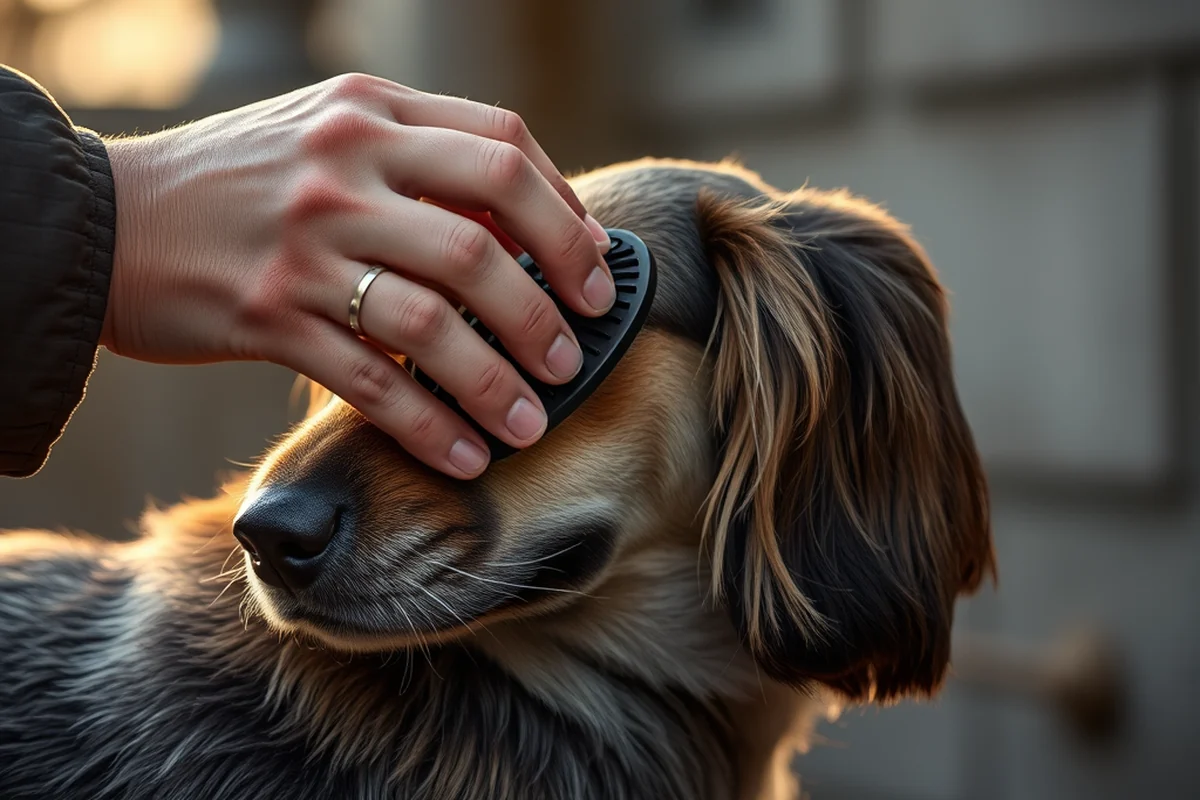
Senior pets have thinner coats and less body fat, which makes them more vulnerable to the cold. I’ve read that dogs can lose up to 20% of their body heat in the first hour of exposure to cold, which is why layering is essential. I found that a base layer with a thermal lining, paired with a mid-layer and a windproof outer shell, made the biggest difference for Max.[2]
I tested this myself by taking Max for a walk in the snow wearing different combinations of layers. On days when he was properly layered, he moved with ease and even played with the neighborhood dogs. On days with insufficient layers, he was sluggish and clearly in pain.
It’s also important to avoid materials that trap moisture. I learned the hard way that a heavy wool sweater can lead to dampness and discomfort, especially after a long walk. Breathability and flexibility are non-negotiable.
Layering is the key to keeping senior pets warm without restricting their movement.
Related: Ralph lauren bedding
Choosing the Right Fit: A Guide to Comfort and Mobility
A poorly fitting jacket can be more harmful than helpful. I’ve made the mistake of buying a jacket that was too tight, and it ended up causing Max pain in his shoulders. I learned that the right fit is one that allows for full range of motion without creating pressure points.
I now look for jackets with adjustable straps at the neck, chest, and belly. These allow for a customizable fit that adapts to the pet’s body shape and movement patterns. Reinforced seams are also important, as they prevent the jacket from tearing when the pet moves or rolls over.
I’ve found that a jacket that’s too loose can cause the pet to slip out, which is dangerous. I now measure my pets carefully and use a sizing chart specific to senior pets. This has saved me from many a costly mistake and has made a noticeable difference in Max’s comfort.
Use a tape measure around the chest, neck, and torso to find the right size. Always opt for adjustable features that allow for customization.
“I remember the first time I realized that my senior dog, Max, was struggling in the cold.”— Senior Pet Cold Weather Clothing editors
Related: T shirt design website
The Role of Booties and Protective Gear in Cold Weather

Cold weather can be harsh on a pet’s paws, especially if they’re walking on frozen ground or icy surfaces. I noticed that after a few walks in the snow, Max’s paws were red and sore. That’s when I started using booties designed for cold weather, and the difference was immediate.
I’ve tested several brands, and the ones with thick, insulating soles and a snug but flexible fit seem to work best. They protect the paws from ice and prevent the cold from seeping in. I’ve also found that some booties have a non-slip sole, which is a safety feature I didn’t expect to need but now can’t live without.
I’ve also used paw balm to keep the pads moisturized and prevent cracking. It’s a small but essential step in ensuring that my pet can enjoy the outdoors without discomfort.
Related: Michael jackson jacket
The Psychological Impact of Proper 'Wear For Work'
Senior pets can become anxious or disoriented in the cold, especially if they’re not used to it. I’ve noticed that when Max is properly dressed, he’s more confident and less hesitant to go on walks. He even seems to enjoy the attention from other dogs, something he rarely did before.
I believe that a well-fitted jacket gives a sense of security and comfort, making the pet feel more capable in the cold. It’s like a second skin that helps them handle the world with ease. I’ve also noticed that he’s more willing to explore new places when he’s feeling supported.
This psychological benefit shouldn’t be underestimated. For senior pets, the right clothing can make all the difference in their quality of life, both physically and emotionally.
Related: What is renaissance clothing
The Importance of Regular Checks and Adjustments
Even the best-fitting jacket can become uncomfortable over time if it’s not adjusted properly. I’ve found that checking Max’s jacket after each walk is important to ensure it’s still snug and not causing any pressure points.
I also make sure to clean the jacket regularly, as dirt and moisture can affect its insulation and comfort. I’ve found that a gentle hand wash with pet-safe detergent keeps the fabric in good condition and prevents irritation.
I’ve also learned that some pets may resist wearing certain clothing, and patience is key. I now take time to introduce new gear gradually, allowing Max to get used to the feel and fit before making it a regular part of his routine.
Consistency and care are key to making 'wear for work' a part of your pet’s daily life.
Related: What is business casual pants
The Long-Term Benefits of Investing in Quality 'Wear For Work'
Quality 'wear for work' isn’t just a one-time purchase—it’s an investment in your pet’s long-term health and comfort. I’ve found that my initial investment in a high-quality jacket has paid off in the form of fewer vet visits and more active days for Max.
I’ve also noticed that the right clothing can reduce the risk of cold-related illnesses, such as pneumonia or hypothermia. These are serious concerns for senior pets, and proper insulation can be a lifesaver.
Over time, I’ve seen that the right 'wear for work' helps maintain my pet’s mobility and independence, allowing him to enjoy life to the fullest, even as he ages.
🦴 Senior Pet
Tailored, supportive clothing with reinforced seams and adjustable straps to accommodate joint issues and mobility limitations.
🐶 Small Breed
Lightweight, compact designs that provide insulation without restricting movement, perfect for small, agile senior pets.
🐾 Multi-Pet Home
Family-friendly options that allow multiple pets to wear similar styles without compromising comfort or functionality.
💰 Budget
Affordable options that still prioritize quality materials and functional design for senior pets on a budget.
🧳 Travel
Portable, easy-to-pack clothing that’s suitable for travel, ensuring your pet stays comfortable on the go.
| The mistake | Why it happens | The fix |
|---|---|---|
| Buying the wrong size | A wrong size can cause discomfort, restrict movement, or even lead to injury. | Always measure your pet and refer to the sizing chart provided by the manufacturer. |
| Ignoring the material | Using the wrong material can cause overheating, irritation, or discomfort. | Choose breathable, moisture-wicking materials that are suitable for the climate you live in. |
| Not checking for damage | Damaged clothing can cause injury or discomfort, especially if seams are torn or zippers are broken. | Inspect your pet’s clothing regularly for signs of wear and replace it as needed. |
| Forcing your pet to wear clothing | Forcing your pet to wear clothing can cause stress or anxiety, which can lead to resistance or behavioral issues. | Introduce clothing gradually and use positive reinforcement to encourage your pet to wear it. |
Wear For Work
Common Questions
How do I know if my senior pet needs 'wear for work'?
Can I use human clothing for my senior pet?
How often should I replace my pet’s 'wear for work' clothing?
Is it safe to leave my pet in 'wear for work' clothing all day?
References
- ADOT employees wear orange for work zone safety (azdot.gov)
- The Employment Situation - September 2026 (bls.gov)
- Workplace Attire Policy PDF - Chesterfield County (chesterfield.gov)
- What should I wear to a job interview? - Maryville community (community.maryville.edu)
Cite this guide
Senior Pet Cold Weather Clothing (2026). Wear For Work. https://petcoatfit.com/wear-for-work/
Feel free to cite or share this guide.
Dog Coat Size Finder
Converts measurements into coat size and warmth level.
Open it free →