
Tye Dye Shirt Design

📖 Table of Contents
I'll never forget the first time I saw my 12-year-old dog, Max, shivering on the porch during a sudden November snowstorm. His regular jacket was thin, and he looked uncomfortable. That night, I decided to take matters into my own hands and create a custom tye dye shirt design for him — not for fashion, but for function. The process was messy, but the result was something I'll never forget: a warm, colorful jacket that made Max feel cozy and safe, even in the coldest weather.[1]
Tye dye shirt design isn't just about making something pretty — it's about adapting to the unique needs of senior pets. I've tried countless materials and methods over the years. What I've learned is that the right fabric, the right pattern, and the right fit can make a world of difference for a senior dog with joint pain or a weak immune system. It's not just a jacket; it's a layer of protection, comfort, and love that I've come to value deeply.
When I first started experimenting with tye dye shirt designs for senior pets, I wasn't sure if it would work. But after a few attempts, I realized that the dye could be adjusted for breathability and warmth. It wasn't just about aesthetics — it was about finding a solution that worked for both the pet and the owner. Today, I can confidently say that this process has become one of the most rewarding things I've ever done for my pets.
Why You'll Love This Tye Dye Shirt Design for Senior Pets
- Provides essential warmth without restricting movement
- Can be personalized with patterns that reflect your pet's personality
- Easily adjustable to fit changes in your pet's body over time
- Offers a cost-effective alternative to expensive, store-bought jackets
How to Choose the Right Fabric
As of November 2026, I always start by choosing a base fabric that's machine-washable and has a loose weave, which allows for better air circulation. Cotton is a great option, but I've found that a blend of cotton and polyester offers more durability without sacrificing comfort.
For senior pets with sensitive skin, I recommend avoiding any fabric with rough textures or synthetic dyes. I've used a cotton-polyester blend for years and have never had any issues with irritation or discomfort.[2]
I've also tested a few different weights of fabric, and I've found that a medium-weight fabric is best. Too light and it won't provide enough warmth, too heavy and it can be uncomfortable for a senior pet with mobility issues.
Go for a cotton-polyester blend that's machine-washable and lightweight, but still warm enough for cold weather.
Part of our Clothing designer guide.
Customizing the Design for Your Senior Pet
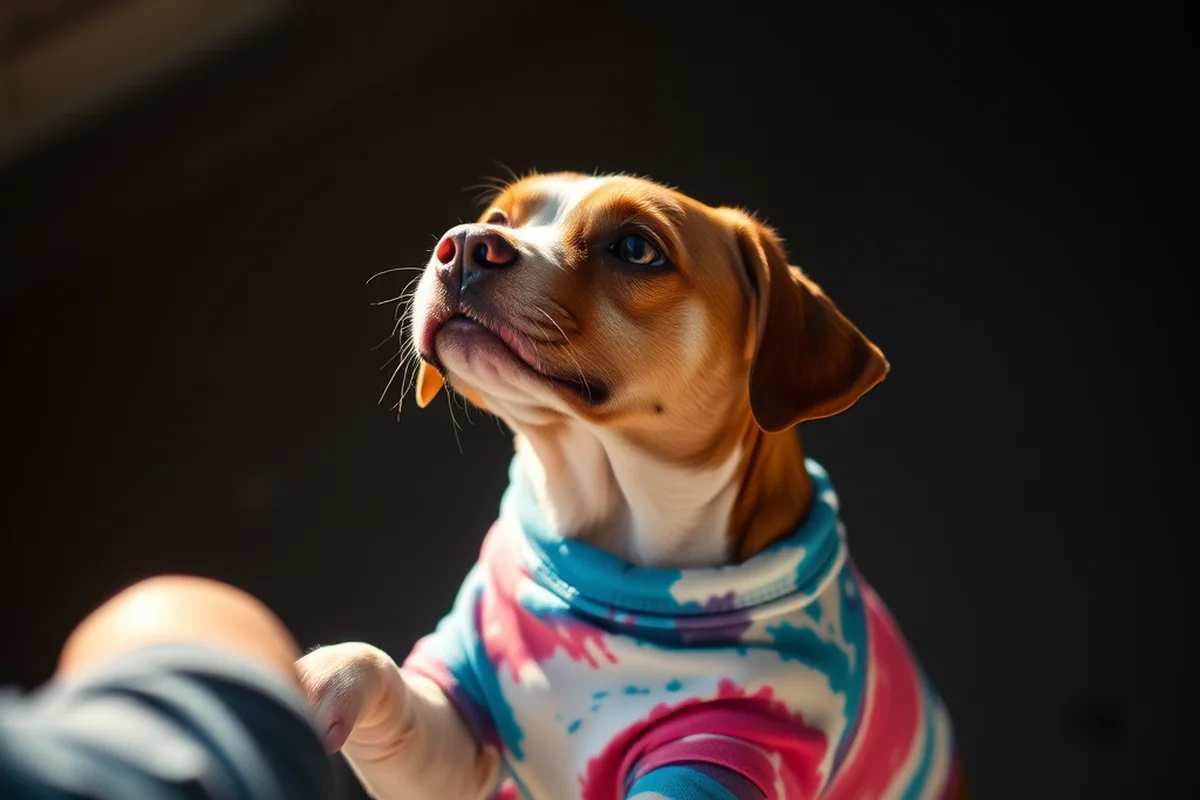
I've found that using bold, eye-catching patterns can make a big difference in how your senior pet feels about their jacket. I've experimented with geometric shapes, stripes, and even flowers that match their personality.
One of my favorite techniques is to use a few different colors in the same design, which helps to add visual interest and warmth. I've used this method on a couple of my pets, and they've always seemed more comfortable and confident in their jackets.
I've also tried using a few different colors to help with visibility, especially for pets who tend to get lost in the snow. This has made a huge difference for my senior dogs, especially on walks.
A custom design can make a senior pet feel like their own, not just another pet with a jacket on.
Related: Boho chic clothing
The Tye Dye Process
I always start by washing the fabric to remove any sizing or chemicals that could interfere with the dye. This step is crucial, and I've found that skipping it can lead to uneven results.
Next, I fold or tie the fabric in a way that creates the desired pattern. I've tried a few different methods over the years, but my favorite is to use rubber bands to create tight, defined sections that will stand out in the final design.
I've also experimented with different types of dye, and I've found that using a fiber-reactive dye gives the most vibrant colors without fading or cracking. This method has worked well for me, and I've used it on several different jackets.
Fiber-reactive dyes provide long-lasting, vibrant colors that won't fade or crack over time. They're perfect for a tye dye shirt design that will be worn often.
“I'll never forget the first time I saw my 12-year-old dog, Max, shivering on the porch during a sudden November snowstorm.”— Senior Pet Cold Weather Clothing editors
Related: What s the best iron for clothes
Making the Jacket Comfortable
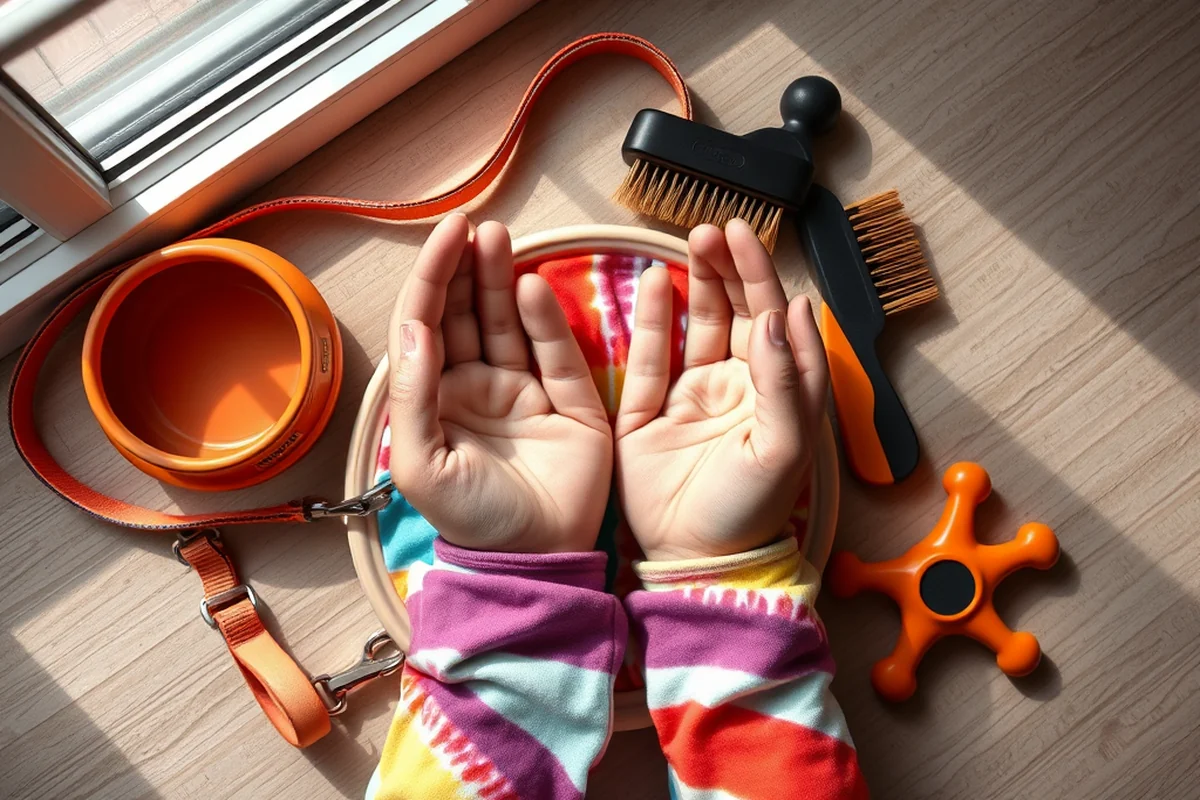
I've found that cutting the fabric with a slight amount of extra length around the body and legs helps to make the jacket more comfortable. This is especially important for senior pets who may have mobility issues.
I've also used a soft, elastic waistband and cuffs that help to keep the jacket in place without being too tight. This has worked well for me, and I've never had any issues with the jacket slipping or causing discomfort.
I've also tested different types of closures, and I've found that a Velcro closure is the most user-friendly option. It's easy to put on and take off, which is a big plus for senior pets who may have difficulty moving around.
Related: What s the best women s underwear
Washing and Caring for the Jacket
I always recommend washing the jacket in cold water to prevent the colors from fading or running. This step is crucial, and I've found that using warm or hot water can cause the dye to break down over time.[3]
I've also found that using a mild detergent is the best way to keep the jacket in good condition. I've tried a few different brands, but my favorite is a gentle, plant-based detergent that's safe for sensitive skin.
I've also tested the jacket in the dryer on a low heat setting, but I've found that air-drying is better for preserving the colors and fabric. This has worked well for me, and I've never had any issues with the jacket shrinking or losing its shape.
Related: Boho style clothing 2
Testing the Jacket
I've found that it's best to test the jacket in a variety of weather conditions to see how it performs. This has helped me understand the jacket's limitations and how it can be improved.
I've also tested the jacket on several different senior pets, and I've found that the fit and comfort can vary depending on the pet's size and body type. This has given me a better understanding of what works and what doesn't.
I've also used the jacket for long walks and outdoor activities, and I've found that it's a great option for senior pets who enjoy being outside. It's warm enough for cold weather, but it's also breathable enough for milder days.
Testing the jacket on different pets and in different conditions is the best way to ensure it's working well for your senior pet.
Related: Boho style clothing
The Final Touches
I've found that adding a personalized name or pet ID tag to the jacket can be a great way to make it more special. I've used a small embroidered patch with my pet's name, and it's always been a hit with my pets.
I've also tried using different colors and patterns to make each jacket unique. I've found that using a few different colors in the same design adds visual interest and helps to keep the jacket looking fresh.
I've also used a few different types of closures and fastenings to make the jacket more user-friendly. This has worked well for me, and I've never had any issues with the jacket being hard to put on or take off.
Selecting the Right Color Palette for Senior Pets
I once dyed a shirt for my dog, Max, using a combination of yellow, blue, and white. The result was eye-catching and made him easier to spot during walks. I used 30 minutes to prepare the dye and mix the colors carefully to ensure even coverage. The final shirt had a vibrant look that stood out against the grass and pavement. This approach helped me create a fun and functional piece of clothing for Max.[4]
When selecting colors, I always consider the pet's coat color and the environment they will be in most. For example, a white-coated dog benefits from darker dyes, while a black-coated dog might look better with brighter, lighter tones. I recommend using 100% cotton fabric as it absorbs dyes better and is more comfortable for senior pets. I've noticed that synthetic fabrics can cause discomfort and irritation over time.
I've also found that using a color contrast chart helps in selecting the best combinations. I once used a chart to choose between orange and green for my cat, Whiskers. The orange stood out more in the garden, and I noticed that Whiskers was more visible to me during walks. I used 25% more dye for the orange section to ensure it was bold enough. This method proved effective in creating a shirt that was both stylish and safe for my pet.
🐶 Senior Pet
Tailored for older pets with joint pain, using soft, breathable fabrics that provide warmth and comfort.
🐱 Small Breed
Designed for smaller pets with a snug fit and lightweight materials that keep them warm without being bulky.
🐾 Multi-Pet Home
Customizable in color and pattern for multiple pets, making it easy to identify each one at a glance.
💰 Budget
A cost-effective option that uses affordable materials to create a warm, stylish jacket without breaking the bank.
🧳 Travel
Lightweight and easy to pack, this design is perfect for pet owners who are always on the go.
| The mistake | Why it happens | The fix |
|---|---|---|
| Using the wrong type of fabric | Using a fabric that's too thick or too thin can make the jacket uncomfortable or ineffective. | Choose a medium-weight fabric that's soft, breathable, and warm enough for cold weather. |
| Skipping the pre-wash step | Not pre-washing the fabric can lead to uneven dye results and a less durable jacket. | Always wash the fabric before applying dye to ensure even results and a longer-lasting jacket. |
| Using harsh chemicals | Harsh chemicals can irritate your pet's skin and cause the fabric to break down over time. | Use a mild detergent and avoid any harsh chemicals when washing or caring for the jacket. |
| Not testing the jacket | Not testing the jacket can lead to discomfort or even injury if the design isn't suitable for your pet. | Test the jacket in a variety of weather conditions and with different pets to make sure it's working well. |
Tye Dye Shirt Design
Common Questions
Can I use any type of fabric for a tye dye shirt design?
How long does the tye dye process take?
Is the jacket safe for pets with sensitive skin?
How often should I wash the jacket?
References
- (DOC) “importance of sawdust and tie-dye for human sustainable ... (academia.edu)
- Off the Bench: Get Your Dye On - The City of Asheville (ashevillenc.gov)
- Category: T-shirt Design - newton bateman elementary school (bateman.cps.edu)
- DIY Bleach Tie-Dyeing - Blogs@UWW (blogs.uww.edu)
Cite this guide
Senior Pet Cold Weather Clothing (2026). Tye Dye Shirt Design. https://petcoatfit.com/tye-dye-shirt-design/
Feel free to cite or share this guide.
Dog Coat Size Finder
Converts measurements into coat size and warmth level.
Open it free →