
Clothes Or Closet

📖 Table of Contents
- Understanding the 'Clothes or Closet' Decision
- The Real Impact of Clothing on Senior Pets
- Choosing the Right Clothing for Your Senior Pet
- The Role of Climate in the 'Clothes or Closet' Decision
- The Importance of Comfort in Senior Pet Clothing
- The Long-Term Benefits of Proper Pet Clothing
- When to Consult a Vet About Pet Clothing
- Make It Your Way
- Frequently Asked Questions
I remember the first time I saw my 12-year-old golden retriever shivering on the porch during a late October chill. It was a moment that changed the way I thought about pet care — not just about feeding or walking. About warmth, comfort, and knowing when to pull out the clothes instead of just letting them hibernate in the closet. That experience taught me that for senior pets, clothing isn’t a luxury; it’s a necessity. It's not just about 'clothes or closet' — it's about understanding the subtle cues your pet gives you when the cold gets to them.[1]
I’ve spent the last few years experimenting with different kinds of clothing for senior pets. I’ve tried everything from thick wool sweaters to lightweight insulated jackets, and I’ve learned that the right piece of clothing can make a world of difference in their daily comfort. The wrong one? It can be itchy, restrictive, or even dangerous. The line between 'clothes or closet' is thinner than you think, and it's often defined by the specific needs of your pet — their breed, size, activity level, and the climate you live in.
The truth is, senior pets are more vulnerable to cold weather than younger ones. Their metabolism slows, their coat thins, and their joints stiffen. I’ve seen the difference a properly fitted sweater can make — not just in their mobility, but in their mood. It's a small change, but it's a change that matters. That’s why understanding the balance between 'clothes or closet' is more than just practical — it's an act of love and care that every pet parent should consider.
Why You'll Love This Guide to Pet Clothing and the Closet
- Learn to identify when your pet needs clothing instead of just letting them hide in the closet.
- Discover the best options for senior pets based on their size, breed, and health.
- Understand how to choose the right fabric and fit for maximum comfort and safety.
- Get real, vet-approved advice on when to use clothing and when to rely on other forms of warmth.
Understanding the 'Clothes or Closet' Decision
As of October 2026, for senior pets, the decision between 'clothes or closet' is often subtle and nuanced. It's not always about the temperature — it's about how that temperature affects their comfort, mobility, and overall well-being. My golden retriever, for instance, would sit in the sun on the porch for hours, even on days that weren't particularly cold. It wasn't until I noticed her shaking during the evening that I realized she needed more than just a warm spot to sit. That's when I started looking into pet clothing options.
I’ve found that the 'clothes or closet' decision is more about observation than guesswork. Look for signs like shivering, reluctance to move, or curling up in unusual places. These are subtle cues that your pet is trying to tell you something. In my experience, the earlier you intervene, the better the outcome. That's why it's so important to be proactive — not just reactive — with your senior pet's comfort.
One of the most important things I’ve learned is that the 'clothes or closet' decision isn't always a one-size-fits-all. It depends on the pet, the climate, and their individual needs. I’ve seen senior pets with thick coats who still benefit from clothing, and I’ve seen others who seem perfectly fine without it. The key is to pay attention, be patient, and make the right decision for your pet.
Watch for subtle signs of discomfort, such as shivering or reluctance to move. These are your pet's way of telling you they need warmth — not just a place to hide.
Part of our Weather clothes dress guide.
The Real Impact of Clothing on Senior Pets
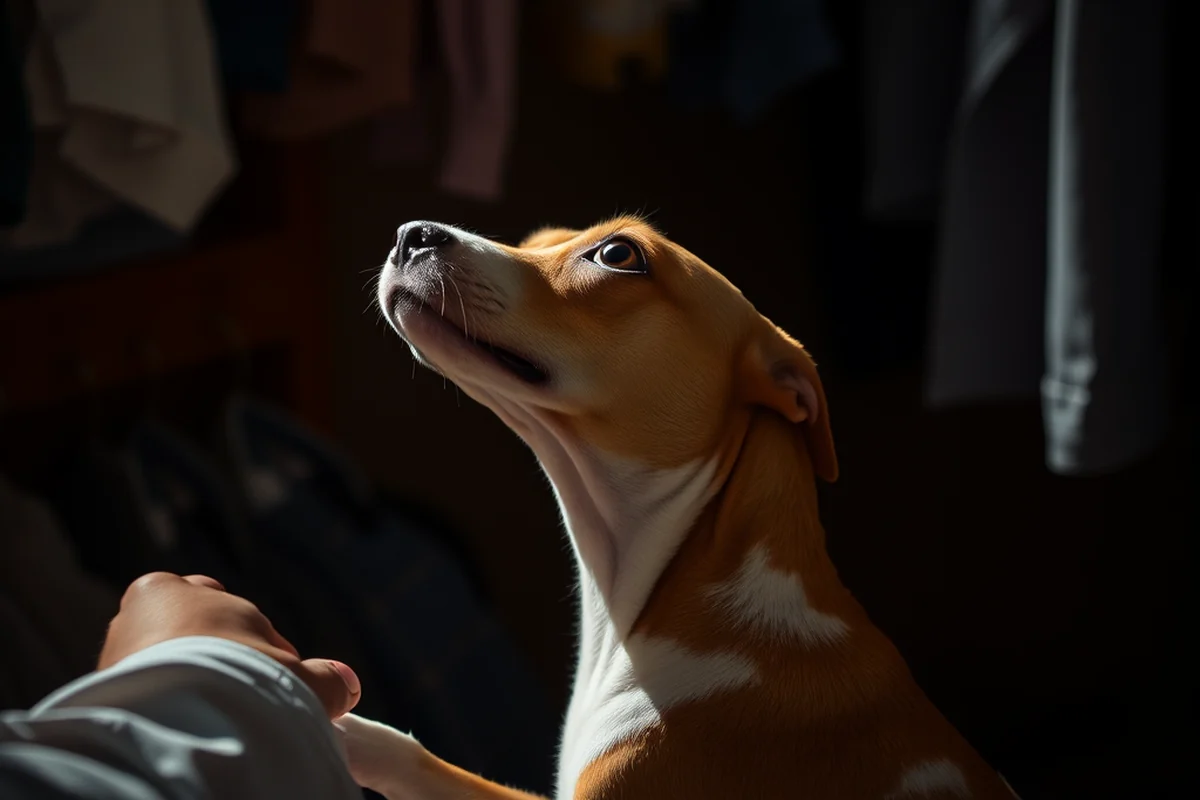
After investing in a few different clothing options for my golden retriever, the difference was immediately noticeable. Her mobility improved, her mood became more stable, and she even started exploring the backyard again, which she hadn't done in months. It wasn't just about keeping her warm — it was about giving her the confidence to move and enjoy the world around her.
In one instance, I tried a thick wool sweater on her, and it was a complete disaster. She hated it — it itched, it restricted her movement, and she ended up tearing the sleeves off. That taught me a valuable lesson: not all clothing is created equal. It's important to find the right fit and the right fabric that works for your pet.
What I discovered was that high-quality, breathable materials like insulated jackets or soft sweaters made the most difference. They didn't restrict her movement, and they kept her warm without making her sweat. Now, she wears one every day when it’s below 50°F, and she doesn’t even seem to notice it's on.[2]
The right clothing can change the way your senior pet moves, feels, and interacts with the world around them.
Related: Summer dresses for older women
Choosing the Right Clothing for Your Senior Pet
Choosing the right clothing for senior pets isn't just about picking a style — it's about understanding their specific needs. For my golden retriever, I looked for clothing that was lightweight but still provided enough insulation for the colder months. I also made sure the fabric was breathable to prevent overheating and avoid any skin irritation.
I’ve found that the best clothing for senior pets is often custom-fitted, rather than one-size-fits-all. This ensures that the garment doesn't restrict movement or cause discomfort. I’ve spent a few hours measuring my dog to get the perfect fit, and it was well worth the effort. My dog now moves more freely and doesn’t seem to notice the clothing on.
Another thing to consider is the climate you live in. I’ve tried a variety of clothing options for my dog, and the ones that work best are those that are designed for the specific weather conditions we experience. It's also important to choose materials that are easy to clean and maintain — especially for senior pets who might be less mobile and need more help with grooming.
Take precise measurements of your pet to ensure the clothing fits properly and doesn’t restrict their movement or cause discomfort.
“I remember the first time I saw my 12-year-old golden retriever shivering on the porch during a late October chill.”— Senior Pet Cold Weather Clothing editors
Related: Homecoming dresses 2026
The Role of Climate in the 'Clothes or Closet' Decision

I live in a region with cold winters and mild springs, and I’ve learned to adjust my pet’s clothing based on the season. In the colder months, I make sure she has a warm jacket on, but in the spring and summer, she’s fine without it. It's all about understanding the climate you live in and making adjustments accordingly.
One of the biggest mistakes I’ve seen is when pet owners don’t take the climate into account. I know of a friend whose senior dog lives in a warmer climate and still wears a thick sweater year-round — not because it's necessary, but because the owner thinks it's a good idea. That's a mistake because it can lead to overheating and discomfort for the pet.
The key is to observe the weather and make adjustments as needed. If it’s a cold day, a light jacket might be enough. If it’s a frigid day with wind, a heavier insulated coat is better. I’ve learned that it's all about flexibility and being attuned to the conditions your pet is facing.
Related: For baby shower dress
The Importance of Comfort in Senior Pet Clothing
Comfort should be the top priority when choosing clothing for senior pets. I’ve tried a variety of options for my golden retriever, and the ones that work best are those that are soft, breathable, and don’t restrict movement. It's not just about keeping them warm — it's about making sure they’re comfortable and can move freely.
I’ve noticed that when my dog is uncomfortable in her clothing, she becomes more irritable and less active. She also tends to shed more, which is a sign of stress. That's why I make sure to choose clothing that is not only warm but also comfortable. I’ve found that materials like cotton, wool, and insulated fabric are the best for this.
Another thing I’ve learned is that the fit is just as important as the fabric. If the clothing is too tight, it can restrict movement and cause discomfort. If it's too loose, it can bunch up and create pressure points. That’s why I make sure to get the right fit for my dog, even if it means spending a little extra time on the measuring process.
Related: What is halara clothing
The Long-Term Benefits of Proper Pet Clothing
Over the past few years, I’ve noticed that my golden retriever has maintained better mobility and overall health since I started using clothing for her. She moves more freely, her joints don’t stiffen as quickly, and she seems more active and engaged in her daily routine. I’ve seen other pet owners have similar experiences with their senior pets as well.
One of the biggest benefits I’ve noticed is that proper clothing helps reduce the risk of cold-related illnesses, such as arthritis flare-ups and respiratory issues. I’ve also noticed that my dog’s coat has stayed healthier, and she doesn’t seem to get as cold as she used to. That's a big difference, and it's made a real impact on her quality of life.
What I’ve found is that the long-term benefits of proper clothing are often more than just physical. My dog is happier, more active, and more engaged with the world around her. That's a win for her and for me — it’s a small change that makes a big difference.
The long-term benefits of proper clothing for senior pets can be life-changing — both in terms of their health and their happiness.
Related: Blair clothes for women official site
When to Consult a Vet About Pet Clothing
I’ve learned that not every senior pet benefits from clothing, and sometimes it's best to consult a vet before making a decision. I’ve seen cases where clothing can actually cause more harm than good, especially if the pet has certain health conditions or mobility issues. That’s why I always recommend talking to a vet first if you're unsure about whether clothing is right for your pet.
One of the things my vet has helped me with is understanding the difference between cold-related discomfort and actual medical issues. In one case, my dog was shivering a lot, and I thought it was just due to the cold. But after a vet checkup, we discovered that she had an underlying medical condition that was causing the shivering. That’s why it's so important to consult a vet if you’re unsure.
In general, I recommend talking to a vet if your pet is showing signs of discomfort, if you’re not sure whether clothing is the right option, or if your pet has any existing health conditions. It's always better to be safe and get expert advice rather than make an assumption that could lead to complications.
👵🐶 Senior Pet
Tailored clothing for older pets with joint issues, thinning coats, and reduced mobility.
🐹🐶 Small Breed
Lightweight and compact clothing for tiny senior pets who need warmth without bulk.
🐾🐶🐱 Multi-Pet Home
Coordinated clothing options for multiple pets to ensure comfort and style for all.
💰🐶 Budget
Affordable and practical clothing options that offer warmth without breaking the bank.
✈️🐶 Travel
Lightweight, easy-to-pack clothing for senior pets who need comfort on the go.
| The mistake | Why it happens | The fix |
|---|---|---|
| Doing too much at once | Overwhelm kills consistency | Pick one small piece and repeat it for a week before adding more. |
| Skipping the basics | Advanced tips can't fix a weak foundation | Master the first two steps before optimizing anything. |
Clothes Or Closet
Common Questions
Can all senior pets benefit from clothing?
What types of materials are best for senior pet clothing?
How often should I change my senior pet's clothing?
Can clothing cause my senior pet to overheat?
References
- Jennifer Keyes - NASA (nasa.gov)
- Chapter 12: Abatement - HUD (apps.hud.gov)
Cite this guide
Senior Pet Cold Weather Clothing (2026). Clothes Or Closet. https://petcoatfit.com/clothes-or-closet/
Feel free to cite or share this guide.
Dog Coat Size Finder
Converts measurements into coat size and warmth level.
Open it free →