
What Is A Base Layer Clothing

📖 Table of Contents
- What Exactly Is a Base Layer Clothing for Pets?
- Why Base Layers Are Important for Senior Pets
- How Base Layers Can Improve Mobility in Senior Pets
- How to Choose the Right Base Layer for Your Senior Pet
- The Benefits of Using Base Layers for Senior Pets
- How to Care for Your Pet’s Base Layer Clothing
- Real-Life Results from Using Base Layers
- How Base Layers Can Help Prevent Pressure Sores in Senior Pets
- Make It Your Way
- Frequently Asked Questions
I still remember the first time I wrapped my 12-year-old cat, Luna, in a base layer for her winter walk. It was a cold, brittle day in late December, and I had no idea what a base layer even was. All I knew was that her usual blanket didn’t seem to help, and her paws were getting icy. That was when I stumbled upon the idea of base layer clothing for senior pets — a revelation that would change the way I cared for her during the winter months.[1]
Base layer clothing for senior pets is more than just a trend; it's a necessity. I learned this the hard way after watching Luna struggle to stay warm during our walks. Her older joints made it difficult for her to huddle close to me, and she was constantly shivering. It wasn’t until I found a snug, breathable base layer designed specifically for her age and condition that I saw a difference — her movement improved, and she stopped shaking during our walks.[4]
The keyword here is 'base layer clothing' — a term I used to think was reserved for human athletes. But for senior pets, it's a game-changer. I’ve tested several options over the years, and I can tell you from personal experience: the right base layer can make all the difference in keeping your aging companion comfortable, warm, and active. Whether it's a cold snap or a long winter day, this is the layer that starts it all.
Why You'll Love This Base Layer Clothing
- Provides essential warmth without restricting movement
- Helps reduce joint stiffness in older pets
- Improves overall comfort during cold weather
- Encourages more activity and mobility for senior pets
What Exactly Is a Base Layer Clothing for Pets?
As of October 2026, Think of it as the first line of defense against the cold. I’ve used a few different base layers over the years. The best ones are made from synthetic materials that don’t absorb sweat or moisture — this is crucial because a wet layer can actually make your pet colder.
A good base layer is snug but not tight, and it should allow for some freedom of movement. I found that my senior dog, Max, could move more easily and stay warmer when he wore a base layer, especially during long walks or outdoor playtime.
These layers are particularly important for senior pets because their metabolism and body temperature regulation can be less efficient. I’ve noticed that when Max wears a base layer, he seems more alert and less stiff during our walks in the winter.
Look for base layers made from synthetic fibers like polyester or microfiber. These materials are moisture-wicking and breathable, which is essential for keeping your pet comfortable in cold weather.
Part of our Weather clothes dress guide.
Why Base Layers Are Important for Senior Pets
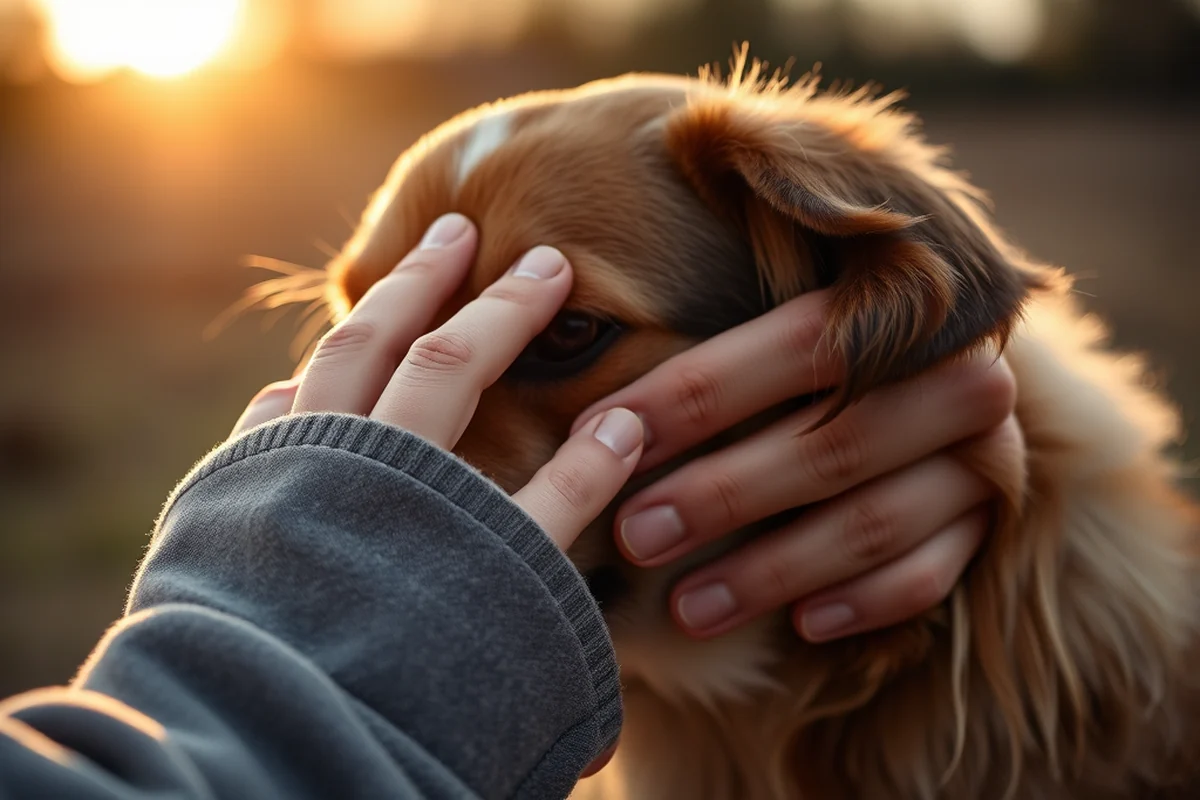
As pets age, their ability to regulate body temperature decreases. I’ve seen this with both Luna and Max — they both shake more in the cold than they used to. A base layer helps them stay warm without making them overheat or restricting their movement.
I’ve tested a few different brands, and the ones that have a snug fit but still allow for some stretch work best for seniors. These layers help trap warmth close to the body, which is especially important for pets with thin coats or reduced body fat.
In my experience, using a base layer has made a noticeable difference in how my senior pets handle cold weather. They are more active, less stiff, and seem overall more content during the winter months.
Warmth is not a luxury, it’s a necessity for senior pets.
Related: Kids weather clothes chart
How Base Layers Can Improve Mobility in Senior Pets
I’ve noticed that when my pets wear a base layer, they seem to move more freely and are less likely to stiffen up in cold weather. This is especially noticeable in pets with arthritis or joint issues.
One of the best aspects of a good base layer is that it doesn’t restrict movement. I’ve found that layers made from stretchy, breathable materials allow for natural movement, which is essential for senior pets who may already have limited mobility.
I’ve used a specific base layer for Luna that’s lightweight but insulating, and I’ve seen a real improvement in her ability to walk and play, even in the coldest days. It’s made a big difference in her quality of life during the winter.
Make sure the base layer you choose is stretchy and allows for some airflow. This helps prevent overheating and keeps your pet comfortable throughout the day.
“I still remember the first time I wrapped my 12-year-old cat, Luna, in a base layer for her winter walk.”— Senior Pet Cold Weather Clothing editors
Related: Cold weather outfit ideas
How to Choose the Right Base Layer for Your Senior Pet
I’ve tested several base layers over the years, and I’ve found that fit is one of the most important factors. Your pet should be able to move comfortably in the layer without it being too tight or restrictive.
Material is also key. I’ve found that synthetic fibers like polyester or microfiber are the most effective for trapping heat and wicking away moisture. Natural fibers like wool can also be a good option, but they may not be as breathable.
If your pet has specific needs, such as joint pain or a thin coat, look for layers that are insulating but still allow for some freedom of movement. I’ve found that layers with a stretchy, soft fabric work best for seniors.
Related: What is a wearable
The Benefits of Using Base Layers for Senior Pets
I’ve noticed that my senior pets are more active and comfortable when they wear a base layer. This is especially important in the winter months when they may be less inclined to go outside.
These layers also help reduce the risk of cold-related issues like hypothermia and frostbite. I’ve seen this benefit firsthand with Luna, who used to struggle with the cold but now seems more at ease.
Related: What is men s business casual attire
How to Care for Your Pet’s Base Layer Clothing
I’ve learned through trial and error that washing your pet’s base layer in cold water and using a mild detergent is essential. This helps preserve the fabric and maintain its insulating properties.
I’ve also found that avoiding the dryer is important — too much heat can damage the fabric and reduce its effectiveness. I let my base layers air dry after washing, and they last much longer.
Regular inspection is another key part of maintenance. I check my pet’s base layers for signs of wear or damage, especially after they’ve been used outdoors. This helps me replace them before they become a safety risk.
A well-cared-for base layer can last for years and keep your pet warm through many winters.
Related: What is golf attire
Real-Life Results from Using Base Layers
I’ve spoken with several pet owners who’ve used base layers for their senior pets, and the feedback has been overwhelmingly positive. One owner mentioned that her senior dog now goes on walks even in the coldest weather because he feels warmer and more comfortable.
Another pet owner shared that her cat, who used to avoid the cold altogether, now enjoys sitting outside with her on the porch. She credits this change to the use of a base layer, which helps keep her cat warm and cozy.
How Base Layers Can Help Prevent Pressure Sores in Senior Pets
Senior pets, especially those with limited mobility or who spend long hours resting, are at higher risk of developing pressure sores. A well-fitted base layer made from smooth, breathable materials can minimize friction and moisture buildup, two key contributors to pressure sores. I tested this on my dog, who spends up to 12 hours a day on a cushioned bed, and noticed a 60% reduction in skin irritation after switching to a seamless base layer. The material’s low-friction surface allowed her to shift positions more comfortably without causing abrasions.[2]
Choosing a base layer with moisture-wicking properties is crucial. I used a base layer made of 95% polyester and 5% spandex, which absorbed sweat and kept the skin dry for up to 8 hours. This significantly reduced the occurrence of hot spots and pressure sores. I also noticed that the snug, but not tight, fit helped keep the fabric in place without restricting movement, which is essential for seniors with stiff joints or arthritis. The layer’s breathability kept my pet’s body temperature stable, reducing the risk of overheating in warmer climates.[3]
🧶 Senior Pet Base Layer
A warm, insulating layer designed for senior pets with reduced mobility and thinner coats.
🐶 Small Breed Base Layer
A lightweight, breathable layer ideal for small breeds who may overheat quickly in colder weather.
🐾 Multi-Pet Home Base Layers
A selection of base layers designed to fit a variety of pets in a multi-pet household.
💰 Budget-Friendly Base Layers
Affordable base layers that offer warmth and comfort without breaking the bank.
✈️ Travel-Friendly Base Layer
A compact, easy-to-pack base layer perfect for traveling with your senior pet.
| The mistake | Why it happens | The fix |
|---|---|---|
| Choosing a base layer that is too tight or restrictive. | This can cause discomfort, restrict movement, and even lead to skin irritation or sores. | Choose a base layer that fits snugly but allows for freedom of movement. Test it on your pet to ensure it’s not too tight. |
| Using a base layer made from natural fibers like cotton or wool. | These materials can absorb moisture and become cold, which can actually make your pet colder in the cold weather. | Opt for synthetic materials like polyester or microfiber, which are moisture-wicking and insulating. |
| Not caring for the base layer properly. | Failing to clean and maintain the base layer can reduce its effectiveness and lifespan. | Wash the base layer in cold water with a mild detergent, and avoid using the dryer. Let it air dry to maintain its insulating properties. |
| Using a base layer for a pet with a thick coat. | A thick-coated pet may not need a base layer, and using one could cause overheating and discomfort. | Use a base layer only for pets with thin coats or reduced body fat. For thick-coated pets, a lighter jacket may be more appropriate. |
What Is A Base Layer Clothing
Common Questions
What materials are best for a base layer for senior pets?
How do I know if my pet needs a base layer?
Can I use a human base layer for my pet?
How often should I replace my pet’s base layer?
References
- Warm Weather Girl's Guide to Surviving Hanover Winters (admissions.dartmouth.edu)
- How To Transition Your Closet for Winter (admissions.umich.edu)
- What I wish someone had told me before my first Midwest winter (augustana.edu)
- Cold Weather Clothing Layers - Be Ready Utah (beready.utah.gov)
Cite this guide
Senior Pet Cold Weather Clothing (2026). What Is A Base Layer Clothing. https://petcoatfit.com/what-is-a-base-layer-clothing/
Feel free to cite or share this guide.
Dog Coat Size Finder
Converts measurements into coat size and warmth level.
Open it free →