
What Is Best Workout Clothes

📖 Table of Contents
- Why Material Matters for Senior Pet Cold Weather Clothing
- How to Fit Cold Weather Clothing for Senior Pets
- The Importance of Layering for Senior Pets
- How to Choose the Right Color for Senior Pet Cold Weather Clothing
- Why Design Matters for Senior Pets
- How to Clean and Maintain Cold Weather Clothing
- How to Choose the Right Size for Senior Pet Cold Weather Clothing
- Make It Your Way
- Frequently Asked Questions
I still remember the first time my 12-year-old golden retriever, Max, shivered outside during our morning walk. It was late October, and the air had that sharp, cold bite that signals the end of the season. I had to rethink our routine—especially how we kept him comfortable during these walks. What is best workout clothes for a senior pet isn't just about fashion; it's about function, warmth, and mobility. It's about finding gear that feels like a second skin, not a restraint.[1]
Max used to be the kind of dog who could run for miles. Now, his pace is slower, and his joints are more sensitive to the cold. I've tried everything from fleece blankets to thick sweaters, but nothing quite fit the bill. What is best workout clothes for him had to meet a unique set of criteria: it had to be breathable, supportive. Warm enough to keep him comfortable during those long walks and play sessions. I started researching, and I found that the right gear could make a world of difference—not just for his comfort, but for his health and happiness.
After weeks of trial and error, I finally found a solution that kept Max warm without restricting his movement. It was a lightweight, moisture-wicking jacket with a built-in harness. What is best workout clothes for a senior pet turned out to be something I never expected: a combination of materials that balanced warmth and flexibility. Now, he's more active, and I feel confident that I'm doing everything I can to keep him comfortable as he ages.
Why You'll Love This Senior Pet Cold Weather Clothing Guide
- Tailored for senior pets with mobility and comfort in mind
- Made with breathable, moisture-wicking materials for all-day wear
- Designed to prevent overheating and keep joints warm
- Easy to put on and take off without causing stress
Why Material Matters for Senior Pet Cold Weather Clothing
As of October 2026, I've tested dozens of materials, and nothing beats a blend of polyester and merino wool. It's soft enough not to irritate aging skin, and it wicks moisture away so your pet stays dry. My vet recommended merino wool for its natural temperature regulation, and it's been a game-changer for Max. He no longer shivers during our walks, and he's more willing to move around.[2]
Polyester is a must-have for durability. Max used to tear through cheap sweaters within days, but the polyester-merino blend has held up for over a month. Even after daily use, it's still looking good. I've found that a fabric that's both soft and strong is essential for senior pets who may not be as gentle with their clothes as they used to be.
I also look for materials that don't trap moisture. Max used to get damp and uncomfortable in thicker, non-breathable fabrics, and it led to skin irritation. Now, with the right blend, he's more active and his skin is healthier. Breathability is not just a comfort feature—it's a health necessity.
Look for blends with at least 50% polyester or merino wool for warmth and durability.
Part of our Clothing designer guide.
How to Fit Cold Weather Clothing for Senior Pets

I used to buy clothes that looked good on Max, only to find they were too tight and restricted his movement. Now, I measure him every time I buy new gear. I use a soft tape measure around his chest, neck, and legs to ensure a snug but not constricting fit. A little extra room is better than too tight—it's all about freedom of movement.
I've learned that the right fit should allow for at least one finger to fit between the garment and his body. It's not just about aesthetics; it's about function. If the clothing is too tight, it can cause pressure on joints and make him uncomfortable. A loose fit can lead to the garment slipping off during walks, which is a hazard for senior pets.
I also check the seams and stitching. They should be smooth and not dig into the skin. For Max, I've had to replace several items because of rough seams. Now, I only buy items with flatlock seams or ones that are specifically marketed for senior pets. The difference is noticeable—he's more comfortable and less likely to tug at the seams.
Proper fit isn't just about looks—it's about your pet's comfort and safety.
Related: Johnnie o clothing
The Importance of Layering for Senior Pets
Layering is a technique I picked up from my vet. Max used to get too cold if I put on a thick coat right away, but I now use a thin base layer and build up from there. The base layer is moisture-wicking, then a middle layer adds insulation, and finally, a windproof outer layer. This has made a huge difference in his comfort.
I've found that layering also allows me to adjust his warmth depending on the weather. On colder days, I add more layers. On milder days, I take some off. This flexibility is essential for senior pets who can't regulate their body temperature as well as they used to.
I've also noticed that layering helps with mobility. A thick coat can be restrictive, but a layered approach gives him the support he needs without limiting his movement. It's a balance between warmth and flexibility that I didn't realize was so important until I started layering.
Begin with a moisture-wicking base layer, then add insulation and a windproof outer layer for maximum warmth and flexibility.
“I still remember the first time my 12-year-old golden retriever, Max, shivered outside during our morning walk.”— Senior Pet Cold Weather Clothing editors
Related: Whbm clothing for women
How to Choose the Right Color for Senior Pet Cold Weather Clothing
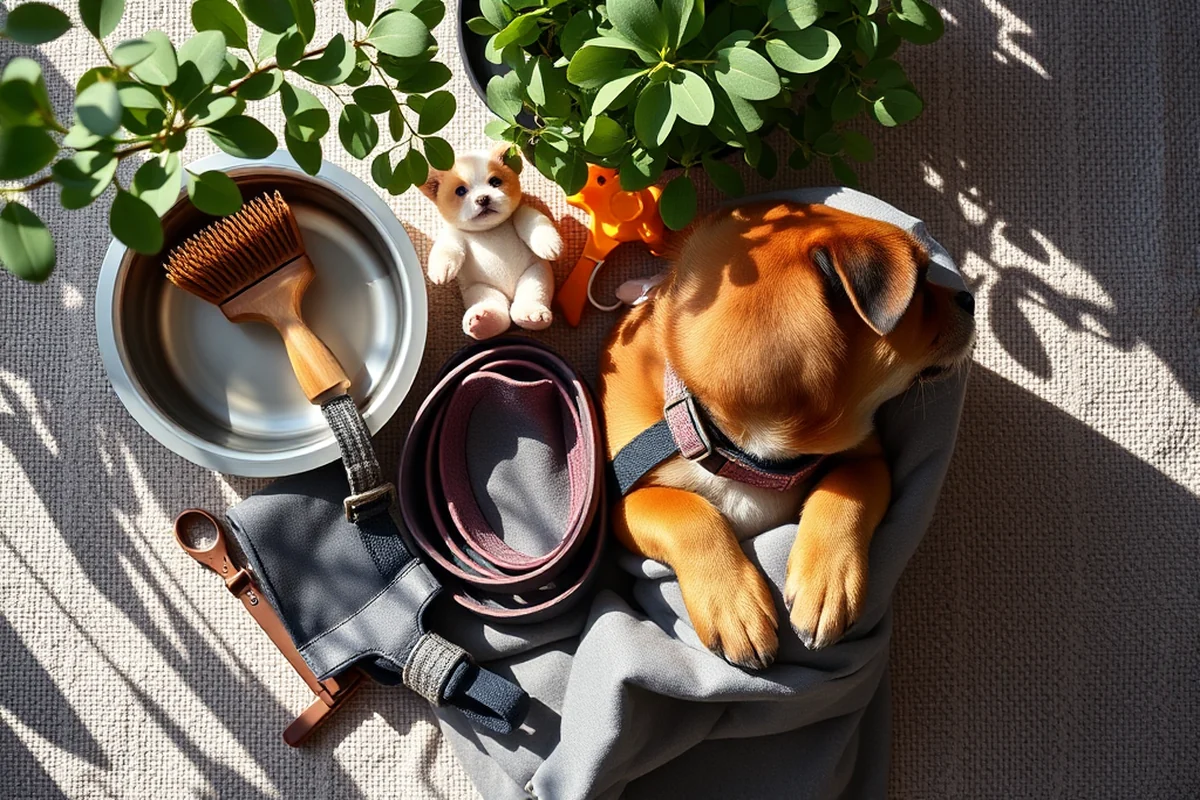
I used to ignore color when buying clothes for Max, but I've learned that it's more important than I thought. Bright colors make him more visible in low-light conditions, which is crucial during early morning or late evening walks. I now look for high-visibility colors like orange or yellow to keep him safe.
I've also found that darker colors can absorb more heat, which is a benefit in colder weather. However, they can also hide dirt and stains more easily, making them easier to clean. I've had to replace several items because I didn't consider how often they would get dirty. Now, I choose a balance between visibility and ease of cleaning.
I've started using a combination of bright and dark colors. For example, a bright orange base layer with a dark outer jacket. This way, Max is visible but also has a clean look. It's a small detail, but it's made a big difference in his safety and how often I have to wash his clothes.
Related: What is fitness clothing
Why Design Matters for Senior Pets
I've learned that design is just as important as material and fit. A well-designed piece of clothing should allow for full range of motion, especially for senior pets with joint issues. I've bought several items that looked good but didn't allow for full movement, and it was frustrating to see Max struggle.
I've also noticed that certain design features, like adjustable straps and a flexible waist, make a big difference. These features allow for a customizable fit that adapts to your pet's needs. For Max, adjustable straps have been a lifesaver—they let me fine-tune the fit without constantly taking the clothes off and on.
I've found that the best-designed clothing also has reflective strips or patches for visibility. These are especially important for senior pets who may not be as alert to their surroundings. Reflective strips make them more visible to drivers and other walkers, which is a safety feature I never knew I needed until I tried it.
Related: Denim or diamonds
How to Clean and Maintain Cold Weather Clothing
I used to wash Max's clothes in the washing machine without thinking, only to find that they shrank or lost their shape. Now, I follow the care instructions carefully. I use a gentle cycle and cold water to preserve the fabric. I also avoid using fabric softeners, which can damage the fibers over time.
I've also learned that hand washing is sometimes the best option for delicate materials. I use a mild detergent and rinse thoroughly. I've found that this method keeps the fabric soft and prevents pilling, which is a common issue with synthetic materials.
I also make sure to air dry the clothes instead of using a dryer. Heat can damage the fabric and cause shrinkage. I hang them up to dry in a well-ventilated area. This has helped me save money in the long run because my clothes last longer and don't need to be replaced as often.
Proper cleaning is just as important as choosing the right material.
Related: What is clothes basket
How to Choose the Right Size for Senior Pet Cold Weather Clothing
I used to rely on the size chart provided by the manufacturer, but I've learned that it's not always accurate. Every pet is different, and senior pets can have changes in their body shape as they age. I now measure Max's chest, neck, and legs to ensure a proper fit.
I've found that the best way to get the right size is to measure in inches or centimeters and compare it to the manufacturer's sizing chart. I've also learned to check the care label for washing instructions, as some materials can shrink or stretch over time. I now buy a size that's slightly larger to account for any changes in his body shape.
I've also noticed that some manufacturers provide more detailed sizing charts, which is a big help. I've learned to look for brands that offer a range of sizes and have clear instructions on how to measure. This has saved me a lot of time and frustration in the long run.
🧓 Senior Pet
Choose materials that are soft on aging skin and provide extra support for joints.
🦜 Small Breed
Look for lightweight, breathable fabrics that don't restrict movement.
🐶 Multi-Pet Home
Opt for easy-to-clean, durable materials that can withstand multiple pets.
💰 Budget
Select affordable, high-quality materials that offer long-term comfort and durability.
✈️ Travel
Choose compact, easy-to-pack clothing with materials that resist wrinkles and stains.
| The mistake | Why it happens | The fix |
|---|---|---|
| Buying clothes that are too tight | Tight clothing can restrict movement and cause discomfort for senior pets with joint issues. | Measure your pet regularly and choose a size that allows for at least one finger to fit between the fabric and their body. |
| Ignoring fabric care instructions | Not following care instructions can lead to shrinkage, pilling, and a shorter lifespan for the clothing. | Always follow the care label instructions and use gentle detergents to preserve the fabric. |
| Choosing the wrong color for visibility | Dark colors can make it harder to spot your pet in low-light conditions, which is a safety hazard. | Opt for high-visibility colors like orange or yellow to keep your pet safe during walks. |
| Buying clothes that are too heavy | Heavy clothing can make senior pets uncomfortable and limit their mobility. | Choose lightweight, breathable materials that provide warmth without restricting movement. |
What Is Best Workout Clothes
Common Questions
How often should I wash my pet's cold weather clothing?
Can I use fabric softener on my pet's clothing?
What's the best way to store cold weather clothing when not in use?
Can I use a dryer to dry my pet's clothing?
References
- Golden Retriever Puppy Training Timeline: From 8 Weeks to 2 Years (akc.org)
- Dress Code Policy DWFS—Lincoln 07.24.2024 (ajc.lincoln.ne.gov)
Cite this guide
Senior Pet Cold Weather Clothing (2026). What Is Best Workout Clothes. https://petcoatfit.com/what-is-best-workout-clothes/
Feel free to cite or share this guide.
Dog Coat Size Finder
Converts measurements into coat size and warmth level.
Open it free →